
What Does “Plant-Based” Really Mean on a Vegan Restaurant Menu?
Direct Answer
On a restaurant menu, "plant-based" describes dishes made predominantly or entirely from plant sources: vegetables, grains, legumes, nuts, seeds, and fungi. While "vegan" is a strict dietary definition excluding all non-plant ingredients or processing derivatives, "plant-based" focuses on ingredient philosophy, health, and whole-food innovation. Leading plant based restaurants use this approach to showcase seasonal produce and bold culinary techniques rather than relying on ultra-processed protein substitutes.
Menu terminology has evolved rapidly in recent years. Walk into any modern plant based eatery, and you'll likely encounter terms like "plant-based", "vegan", and "vegetarian" used side by side, sometimes interchangeably, often inaccurately. For diners exploring conscious eating or simply seeking exceptional food, this ambiguity can be genuinely confusing.
These boundaries have also been further complicated by the rise of vegan fine dining. Earlier, it was a niche lifestyle category that has now grown into a huge culinary movement requiring transparency and honesty in communication between the kitchen and the customer. Whether you're dining out for a weekday meal at a local vegetarian restaurant or attending a special event at a vegetarian-friendly venue, understanding what these labels indicate can help you make the right decision.
This blog breaks down the terminology, debunks common myths, and explains how leading restaurants are redefining what plant-forward dining can look and taste like.
Decoding Menu Terminology: Plant-Based vs. Vegan vs. Vegetarian
Not all plant-forward menus are created equal. Understanding the different philosophies behind each label before ordering.
What Does "Plant-Based" Mean in Culinary Terms?
➥ Core Definition
Plant-based foods on their own are foods made from plants as simple as seasonal vegetables, wild mushrooms, grains, legumes, seeds and natural aromatics. The emphasis is on ingredients in their most complete, least processed form. Rather than replacing familiar flavours with synthetic alternatives, plant-based cooking elevates what naturally exists in the produce itself.
Many dedicated plant-based restaurants build their identity around this ingredient-first approach.
➥ Culinary Philosophy
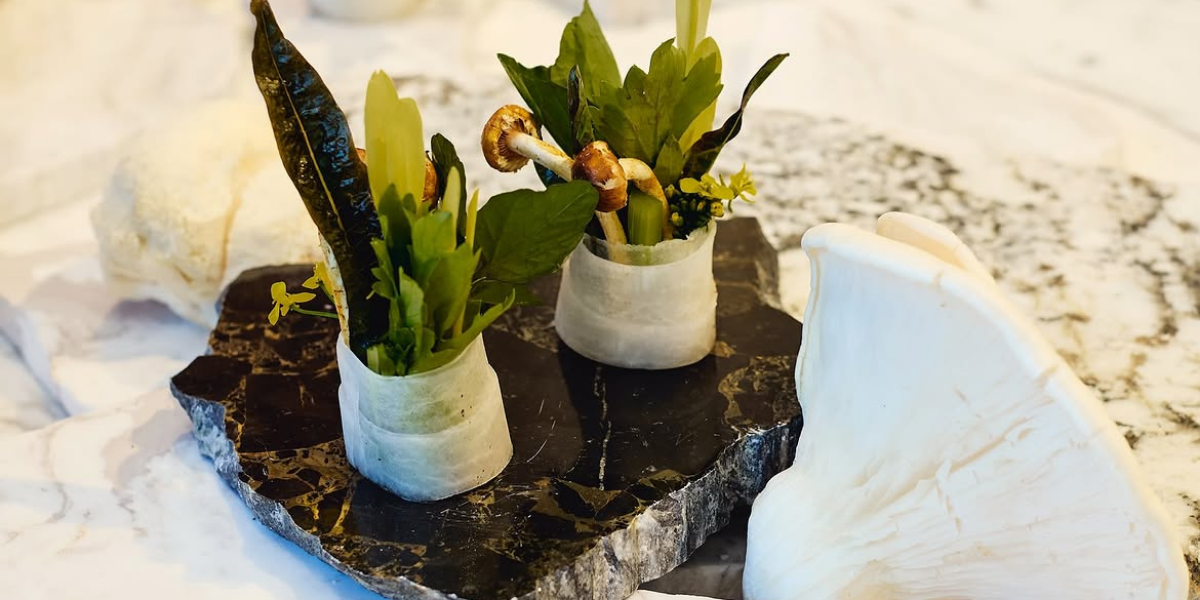
Plant-based cuisine is as much about technique as it is about ingredients. In this space, the expert chefs consider the following priorities:
Seasonal produce: sourced at peak flavour.
Natural umami: derived from ingredients like aged miso, fermented black beans, dried mushrooms and others.
Technique-driven preparation: think slow-roasting, dehydrating, fermenting, and charring to create complex layers of flavour without artificial additives.
This means that you will enjoy the taste of your food and that it will be a standalone dish, not a compromise or a substitute. At the finest plant-based eateries, this philosophy is expressed through every course, from amuse-bouche to dessert.
➥ Flexibility
An important nuance: the term "plant-based" exists on a spectrum. For strictly vegan kitchens, such as a dedicated vegan fine dining restaurant, plant-based means 100% plant-based in every aspect, from the stocks and sauces to the sweeteners. On the menu of a broader restaurant, however, "plant-based" may just mean that the food is plant-forward, and it might not be entirely vegan, unless specifically named as such.
Always verify with your server if you have specific dietary requirements.
What Does "Vegan" Mean on a Menu?
➥ Strict Definition
If a food is listed as "vegan" on a vegan restaurant menu, it carries a more precise commitment. It means eliminating all non-plant ingredients, by-products and processing agents. Not only the obvious inclusions, but also the hidden agents that are frequently used in food production, such as clarifying agents, some food colouring and non-plant-derived emulsifiers.
Those who choose to eat at a restaurant because of this label must always ask the restaurant if the kitchen has strict separation.
➥ Driven by Ethics & Lifestyle
Veganism can represent a broader lifestyle philosophy that includes environmental, ethical, and personal choices. It is rooted in a broader ethical philosophy, one that encompasses environmental responsibility, health awareness, and a defined lifestyle boundary. For many people, veganism is more than just a dietary choice; it's part of a set of deeply held values about how food systems should work.
The key difference is that vegan describes a complete lifestyle choice, while plant-based usually focuses on food and ingredients. The two often coincide, but they are not always synonymous. Knowing the difference helps you navigate any vegan restaurant menu with far greater confidence.
Quick Reference Comparison Table
| Feature | Plant-Based | Vegan |
|---|---|---|
| Primary Focus | Whole plant produce & flavour | 100% plant-derived ingredients |
| Allows Non-Plant Extras? | No (at 100% plant kitchens) | Strictly No |
| Allows Bee Sweeteners? | Variable (Not at strict venues) | Strictly No |
| Ingredient Focus | Vegetables, legumes, fungi (seasonal foods) | Strictly plant-derived items |
This table is a starting point, not a definitive guide. Always check the menu thoroughly and ask kitchen staff about any particular preparation, particularly when allergen requirements are involved.
Common Misconceptions About Plant-Based Menu Labels
Even with this growing awareness, there are still several myths that remain, shaping the way diners are engaging with plant-based menus. Here's what the evidence actually shows.
➥ Misconception 1: "Plant-based means light or unfulfilling."
Fact
This is one of the most common misunderstandings and one that disappears after a single well-prepared plant-based meal. High-energy meals composed of rich plant fats found in sesame, avocado, and cold-pressed oils, the natural umami provided by mushrooms and fermented pastes, and complex carbohydrates in ancient grains and legumes all add up to deeply satisfying meals.
Making a delicious plant-based dish doesn't mean it's a sacrifice; it's another form of indulgence. Produced by master chefs in top-tier, high-quality plant based restaurants that source their premium seasonal ingredients, these meals are frequently richer and more texturally interesting than conventional alternatives.
➥ Misconception 2: "Plant-based and vegan are always identical."
Fact
As the table above shows, the two terms share significant overlap but are not interchangeable. 'Plant-based' is not always 'vegan', and 'vegan' is not necessarily 'plant-based cooking', and a 'vegan' label doesn't guarantee the culinary philosophy of 'whole-food plant-based cooking'.
At a fully plant-based restaurant, this difference is usually less noticeable because the entire menu follows the same approach. But when navigating a broader vegan restaurant menu, always verify whether an eatery is a fully committed plant kitchen or simply offering plant-forward options alongside other preparations.
➥ Misconception 3: "Plant-based dining is only for strict lifestyle followers."
Fact
The data tells a very different story. Many diners today visit plant-based restaurants for creative flavours, unique dining experiences, and high-quality ingredients, even if they do not follow a vegan or vegetarian lifestyle. As chefs of fine dining are edging into the realms of creativity, and the emphasis is firmly on the quality and taste of seasonal produce, the popularity of plant-based cuisine has grown immensely.
In other words, you don't need to identify with any particular lifestyle to enjoy and thoroughly appreciate a well-crafted plant-based meal.
Taste every layer of plant-based Sichuan Cuisine — reserve your table now!
Book NowHow to Find the Best Local Vegan & Plant-Based Restaurants
With more options than ever before, choosing among local vegetarian restaurants and dedicated plant-based venues requires a more discerning approach. Here's what to look for when checking out your options.
Check for Ingredient Transparency
Many high-quality plant-based restaurants prioritise ingredient transparency:
Name seasonal produce: directly specifying farms, regions, or harvest seasons.
Highlight house-made sauces and fermented components rather than bought-in condiments.
Communicate local sourcing practices, connecting dishes to their ingredient origins.
The transparency of the ingredients is not only a trust indicator but also a good sign of kitchen quality and technique.
Look for Creative Menu Formats
If there is a static menu, with no changes at all, it may be a red flag that a kitchen is practising convenience, not craftsmanship. High-quality plant-based dining experiences, particularly in the vegan fine dining space, tend to feature the following:
Multi-course set menus or degustation formats that tell a seasonal story.
Rotating menus that reflect what's freshest and most flavourful each week.
Unique dining concepts such as unlimited plant-based Yum Cha that reimagine familiar formats through a plant-forward lens.
These formats are an indicator of an engaged, creative and truly involved kitchen.
Verify Dietary Accommodations
Even within the plant-based spectrum, individual dietary needs vary widely. The best plant based eateries are ready to serve up the following:
Gluten-free requirements
Nut-free preparation
A free-from Alliums (onion/garlic-free) meal for those who are sensitive to either digestive discomfort or cultural preference for an onion/garlic-free meal
A kitchen that can manage these requirements confidently without compromising the dish shows both skill and genuine hospitality. This is a key difference when comparing local vegetarian restaurants and a plant-based venues.
Why Choose SHU Restaurant?
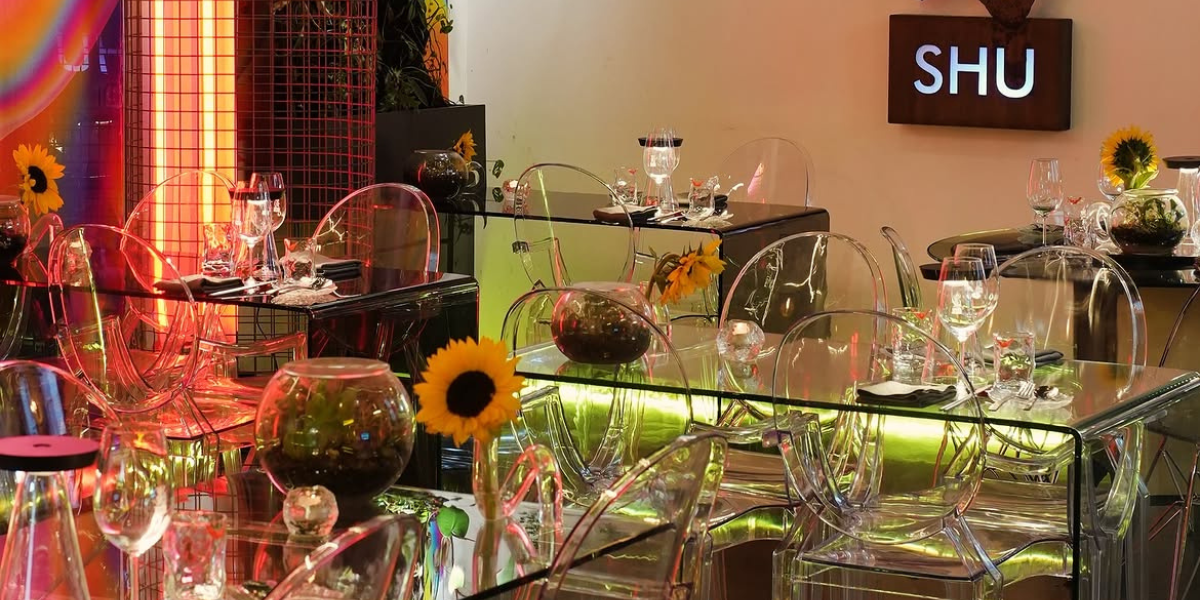
SHU Restaurant is one of Australia's most distinctive plant based restaurants, with the vision as stated in this blog. The kitchen operates as a 100% plant-based environment; every component of every dish, from stocks and sauces to sweeteners and garnishes, is sourced entirely from whole plant ingredients.
What sets us different in the vegan fine dining landscape is the dedication to craft and the restaurant's creativity. Every ingredient is used purposefully, every recipe is prepared with technique, and every meal is one of a great understanding of what plant-based cuisine can really do.
For those seeking a more social, weekend experience, our plant-based yum cha concept offers a lively, share-style format that brings the depth and creativity of the kitchen's philosophy to a more relaxed setting. Dietary changes are planned for and executed with sensitivity and provided without sacrificing the quality or enjoyment of the meals.
Taste every layer of plant-based Sichuan Cuisine — reserve your table now!
Book NowConclusion
With a vegan restaurant menu, the word "plant-based" is not simply a label; it's a commitment to whole-food ingredients, innovative flavours, and high-quality culinary skills. It bridges the gap between dietary wellness and fine-dining indulgence, offering experiences that are as intellectually engaging as they are delicious.
Understanding the distinction between plant-based and vegan, and knowing what to look for in a quality plant-based kitchen, helps you make choices that align with both your values and your appetite.
Book your table at our restaurant for a signature 10-course vegan degustation or weekend plant-based yum cha and discover what this cuisine looks like at its very best.