
Overview
Texture is the secret to memorable vegan dishes because it breaks the monotony of soft purees and predictable plant-based ingredients, creating a multi-sensory contrast that signals satisfaction to the brain.
In cooking, it's all about the flavour. If anyone is asked what made a meal memorable, they will talk about the spice, sweetness and perfect balance of a sauce. However, chefs know that something that diners rarely articulate: texture is what creates a truly memorable bite.
In vegan restaurant dining, this truth matters even more. Kitchens dedicated to creating plant-based dishes are in a very special position, as the food doesn't have the same kinds of textures that traditional cuisine is built on.
Cooking with plants has its own distinct problem. The chefs must be more deliberate, more skilful, and more creative since they're missing the texture signals that traditional cuisine benefits from.
There are so many vegan restaurant dishes that don't fall into one of the same traps: soft purees, soggy stir-fries, or overly processed alternatives that replicate without satisfying.
The solution is not imitation. It is mouthfeel architecture, a chef-led approach that deliberately combines crispiness, silkiness, chewiness and crunch to build suspense and satisfaction into every bite.
At SHU Restaurant in Collingwood, Melbourne, this philosophy underpins every dish on the menu. As a leading plant based restaurant Melbourne diners return to us again and again as we apply traditional Sichuan culinary techniques to unlock the full structural potential of plant-based ingredients. The result is dining that does not just taste extraordinary; it feels extraordinary.
The Psychology of Mouthfeel: Why Diners Crave Texture Over Just Flavour
Eating is a multi-sensory experience. Before a dish reaches the palate, it engages the eyes and the nose. But the moment food enters the mouth, the tactile experience – mouthfeel – becomes the dominant signal that the brain processes.
The Sensory Trifecta
Food scientists and chefs call the combination of flavour, smell and touch the sensory trifecta. For a truly satisfying dish, all three are essential. Mouthfeel is the most underestimated of the three and most powerful. This is especially relevant for vegan restaurant dishes, where ingredients must do more structural work than most diners consciously realise.
Satiety and Textural Variety
Studies in sensory science have shown that the brain registers fullness and satisfaction from multi-textured foods more quickly than single-textured foods. A crispy texture with a creamy base and a chewy centre will stimulate different sensory receptors. The brain reads this layered stimulation as genuine nourishment, not just consumption.
The "Boredom" Factor
A dish can taste genuinely delicious. But if every bite has the same resistance, yield, and feeling, attention fades by the fourth mouthful. Texture keeps the palate engaged between bites. It establishes anticipation: the crunch you're about to experience, the silky finish you are sure to receive. That anticipation is what brings a customer back to the same dish across three consecutive visits.
Key Takeaway
The goal of exceptional vegan restaurant food is not to conceal vegetables behind sauces and seasonings. It is to expose their dynamic structural potential: the fibrous density of braised mushrooms, the velvety collapse of slow-roasted eggplant and the shattering crispness of a perfectly fried spring roll wrapper.
Taste every layer of plant-based Sichuan Cuisine — reserve your table now!
Book NowThe 4 Textural Pillars of Exceptional Vegan Restaurant Dishes
Achieving textural complexity in plant-based cooking is never accidental. It requires a clear framework of four core pillars that, when added to the intention, make any dish of any kind truly memorable.
Pillar 1: Crisp & Crackle (The First Sensation)
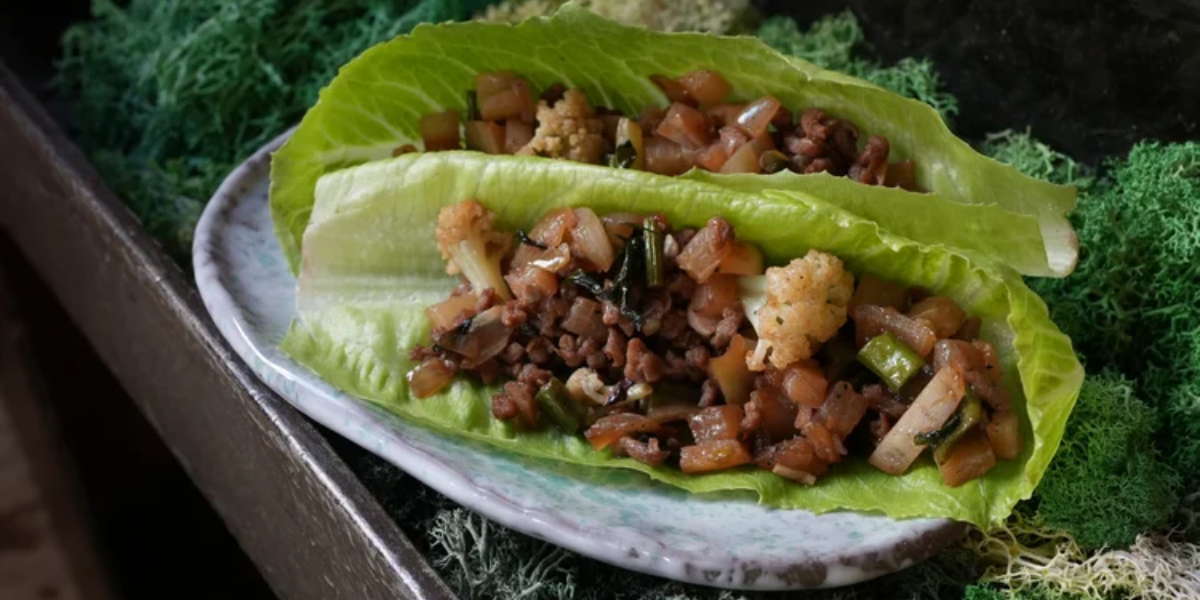
When it comes to first impressions in restaurants, it is not just what you see. The sound of a crisp edge breaking, the crack of a well-fried wrapper and the crackle of wok-seared leaves indicate that skill and care have gone into preparation, and the brain picks up on these sounds.
When performed properly, these cooking methods (such as deep-frying, wok-searing, or flash-frying) create a crisp, brown and appealing crust. The timing is all important; if it goes too long, the crispness turns into hardness; if it goes too short, the surface remains in a limp state.
The first time someone tries a restaurant, they are looking for a vegan experience and for anyone who seeks the best vegan dining in Melbourne has to offer, the quality of the food often makes the difference.
Pillar 2: Silky & Creamy (The Rich Foundation)
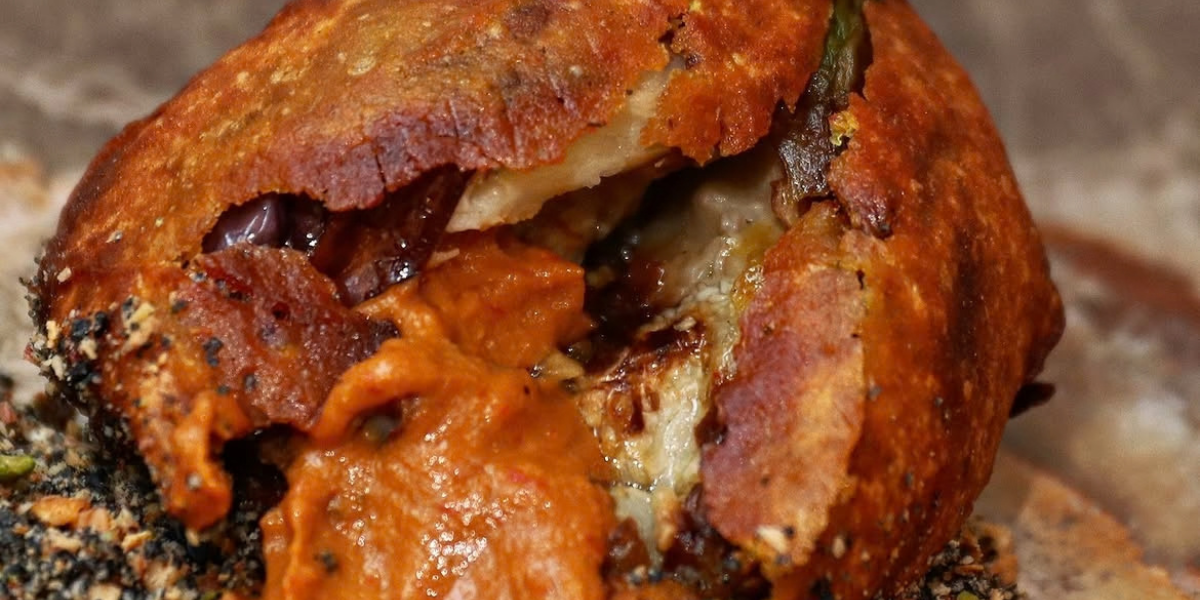
Creaminess in plant-based cooking is achieved not through dairy, but through technique. Slow-roasted eggplant becomes almost buttery on the inside. High-speed blending of cashew creams mimics the texture of dairy-based creams. Emulsified plant oils carry flavour and coat the palate, signalling richness and depth.
This pillar is the base on which all the other textures are played. If it's not smooth and soft, there's no crunch. Many of the best vegan restaurant dishes are based on this concept: a smooth foundation that enhances the other layers of texture added on top.
Pillar 3: Chewy & Fibrous (The Satisfying Bite)
One of the most crucial aspects of a plant-based meal is a chewy, fibrous food that resists. Lion's mane mushrooms, king oyster mushrooms and braised wheat gluten all provide a satisfying, hearty crunch that feels incredibly nourishing.
The vegan Chinese food aspect has always been at its best. Wheat gluten and mushroom preparations have been used in traditional Chinese Buddhist cooking for centuries, and methods have been developed to make these ingredients as dense and chewy as any protein-rich dish.
Pillar 4: Crunchy & Spicy Accents (The Finishing Touch)
The final layer contrasts the textural accent that disrupts the expected. This effect is achieved with toasted sesame seeds, pickled vegetables, crispy shallots and sediment-rich chilli oils. They introduce a finishing crunch or a burst of acidic brightness that resets the palate and ensures the next bite is as compelling as the first.
This combination is what makes a dish good and makes it more than just a collection of ingredients on a plate.
Masterclass in Texture: How SHU Restaurant Elevates Vegan Sichuan Dining

SHU Restaurant in Collingwood is not simply a vegan restaurant. It is a study in how traditional Sichuan culinary philosophy can transform plant-based ingredients into something genuinely extraordinary. As the premier plant based restaurant Melbourne's food scene has produced in the modern era, we bring academic rigour and genuine craft to every plate.
Sichuan cooking is often reduced to its heat profile: the numbing, fiery sensation of Ma-La. But at its core, Sichuan cuisine is a cuisine of contrast: hot and cool, numbing and sharp, soft and crunchy. Texture is as much a part of the tradition as is spice, and we respect it fully.
This approach to vegan Chinese food, rooted in centuries of plant-based culinary history, is precisely what makes our menu so compelling to diners, with or without prior experience with plant-based dining.
Dish Example 1: Braised Lion's Mane Mushroom
When slow-braised, the lion's mane mushroom becomes dense and fibrous inside while retaining a succulent taste on the outside and thus produces a beautiful texture when pressed.
The braising process releases the rich umami flavour from the mushroom but also helps to maintain its firmness, which makes each bite rewarding. This is plant-based dining at its most considered and intelligent.
Dish Example 2: Yuxiang Roasted Eggplant
The Yuxiang preparation, a classic Sichuan flavour profile that combines garlic, ginger, vinegar and a measured touch of sweetness, is applied here to slow-roasted eggplant. The result is a study in textural contrast: velvety softness at the core, charred and slightly crisp edges on the exterior, and bright tangy aromatics that cut cleanly through the richness. The four textural pillars are well represented in this vegan restaurant dish.
Dish Example 3: Crispy Mushroom Pie & House-Made Bread Accents
A flaky, golden crust is one of the most universally satisfying textures in all of cooking. At SHU, the Crispy Mushroom Pie delivers exactly this: a shatteringly crisp pastry shell that encases a rich, savoury filling. The homemade breads served as side dishes bring a relaxed, canvas-like texture in contrast to the crunchy breads, giving the meal a balanced texture.
Dish Example 4: House Chilli Oil & Sichuan Peppercorns
House Chilli Oil isn't just a condiment. It's a textural experience on its own. The aromatic sediments, toasted spices, dried chillies and Sichuan peppercorn fragments move through a smooth oil base, delivering a burst of crunch with every spoonful.
The Ma-La numbness derived from the peppercorns is physiological and enhances sensitivity to subsequent textures, making the meal more extraordinary.
Taste every layer of plant-based Sichuan Cuisine — reserve your table now!
Book NowCourse-by-Course Texture Design: From Degustation to Unlimited Yum Cha
The difference between a good and great tasting menu is pace. Deliberate sequencing of light, heavy, crisp and smooth across multiple courses creates either an exhausting or exhilarating long meal, depending upon the textural pacing.
The 10-Course Vegan Degustation Experience
Our 10-course vegan degustation is architected entirely around textural movement. Early courses introduce lighter, crispier elements and palate-awakening bites, sensitising the senses for what is to come.
The temperature of the food starts to increase, and the food starts to be more fibrous as the meal goes on, giving a feeling of satisfaction without heaviness. The end is a matcha-cashew cream-filled cannoli, providing a smooth, cool creaminess and a quietly refined elegance. For those seeking the best vegan dining Melbourne has to offer in a single sitting, this degustation is the definitive benchmark.
Chef's Curated 5-Course Selection
The chef's handpicked 5-course option is more fun and homely with the same concepts. The lovely soft textures of silky avocado cheesecake and full eggplant mash contrast with crunchy house-made breads and crispy accents.
It is a more casual exploration of the textural philosophy, executed with the same precision and care that defines the full degustation.
These are vegan restaurant dishes designed to feel familiar yet surprisingly approachable for newcomers to plant-based dining and rewarding for seasoned enthusiasts.
Weekend Unlimited Vegan Yum Cha
Weekend yum cha at our restaurant is where the textural range becomes most apparent and most joyful. Steamed dim sum skins are thin, delicate and yielding. The spring roll wrappers are crisp and light. Chilli dumplings with a filling to push back and chew on.
All three one after the other, in any order, as many times as you want. It's the vegan Chinese food spirit of generosity and togetherness, and it's completely plant-based.
Conclusion
People are drawn to restaurants by the flavour. They come back thanks to texture.
The most memorable vegan restaurant dishes are not the ones with the longest ingredient lists or the boldest seasoning. They are the ones that stimulate the senses on all levels: crunch, chew, silk and crackle, creating a real sense of satisfaction for the brain and a real memory for the palate long after the meal.
For anyone serious about exploring the best vegan dining Melbourne's culinary landscape has to offer, the answer is consistent: go to a restaurant that cares about texture, not a side dish.
As a plant based restaurant Melbourne diners trust for both quality and innovation, we do exactly that, whether you are visiting for the 10-course degustation, the Chef's 5-course selection, or the Weekend Unlimited Yum Cha. Book a table today for the 10-Course Vegan Degustation or Unlimited Weekend Yum Cha.