
Overview
Navigating a vegan restaurant safely with food allergies requires careful preparation, clear communication, and an awareness of common plant-based hidden allergens like soy, nuts, and gluten.
For people with food allergies, even a meal at a plant-based restaurant can be a challenge. For anyone managing dietary restrictions, dining with food allergies demands preparation well before you sit down at the table.
Assuming vegan menus are automatically safe for all dietary restrictions is a common and potentially dangerous misconception. Choosing a vegan restaurant does not eliminate allergen risk; often, plant-based restaurants contain some of the most allergenic components of any meal.
This blog is designed to help anyone navigating common food allergies eat out with confidence. Whether you're exploring vegan dining Melbourne has to offer or searching for a plant based restaurant Melbourne locals trust for allergen transparency, the information below will help you make informed decisions and communicate effectively with any kitchen.
Why Plant-Based Menus Require Allergen Awareness
➥ Misconceptions About Allergen Safety
Assumption of Universal Safety
A plant-based label does not equal an allergen-free environment. People often think that if they don't eat animal products at a vegan and plant-based restaurant, the chance of having an allergic reaction is lower. This is not the case.
Plant-based kitchens use a wide range of whole and processed ingredients, many of which are among the most common food allergies documented by food safety authorities globally. Tree nuts, peanuts, sesame, soy, wheat and legumes are all common staples in today's vegan cuisine. Their presence is not incidental; they are foundational.
High Concentration of Common Allergens
Nuts, seeds, legumes and grains are essential to vegan cooking as they bring textures, richness and depth of flavour. Common components of plant-based menus include cashew cream sauces, tahini dressings, peanut-based broths and wheat-based proteins. For someone with a severe allergy to any of these ingredients, a vegan restaurant can actually present a higher allergen density than a conventional menu.
Understanding this is the first step towards dining safely.
➥ Cross-Contact Risks in Commercial Kitchens
Shared Equipment
Even the most conscientious kitchens face cross-contact risks through shared equipment. Across several dishes during a single service, kitchens often use deep fryers, steam baskets, prep tables and cookware. A fryer used for sesame-coated tofu will carry trace sesame residue unless thoroughly cleaned between uses, and during a busy kitchen service, that level of individual cleaning is not always feasible.
For anyone dining with food allergies, this operational reality is worth understanding before you arrive, not after you've ordered.
Supplier-Level Contamination
It's not just the kitchen that can lead to cross-contact; it can start at the supplier level. Packaged ingredients often have advisory statements, such as "this product may also contain nuts or wheat." These trace warnings are important to consider when eating at a restaurant and should be taken into account when speaking with the kitchen staff before ordering if you have severe allergies.
Four Essential Steps for Dining Out Safely
The best option when dining with food allergies is to be proactive about communication. These four steps apply to any dining experience at a casual vegan restaurant or a formal multi-course setting.
Step 1: Review Restaurant Policies Before Visiting
Before making a reservation, visit the restaurant's official website. Look for dedicated sections on dietary requirements, allergen policies or menu notes. This is especially important when considering vegan dining Melbourne options, as the transparency regarding allergens varies from restaurant to restaurant.
Reputable venues will make it very clear what they can and cannot accommodate, which is an excellent sign of how seriously they take allergen management in practice.
Step 2: Provide Advance Notice to the Kitchen
For degustation menu bookings, please inform our team of any food allergies or dietary requirements when making your reservation. With advance notice, the kitchen staff can:
Sanitise preparation areas relevant to your order
Source or substitute dedicated ingredients
Communicate with the entire team before service
Making last-minute requests in a busy service is much more difficult to manage both safely and accurately.
Step 3: Clear Communication Upon Arrival
When you arrive, don't assume the reservation team has fully communicated your message to front-of-house staff. Clearly inform the team about the distinction between a food allergy and a personal dietary preference. These terms are not interchangeable: an allergy is a real health threat, while a preference is not.
If you have a complex or more than one allergy, it might be helpful to carry a written allergy card with the ingredients you need to avoid. This will eliminate the ambiguity and provide a physical reference in the kitchen during preparation.
Step 4: Confirm Kitchen Cross-Contact Protocols
Before your meal begins, ask specific questions:
Are sauces, fryers or utensils shared between dishes containing different allergens?
Are there any condiments or finishing oils that have hidden allergens?
Are oil lines dedicated, or do shared fryers handle multiple ingredient types?
A kitchen that has an effective allergen protocol will be able to confidently and clearly answer these questions. When staff are not certain or vague, it is also useful information when deciding what to do.
Taste every layer of plant-based Sichuan Cuisine — reserve your table now!
Book NowSpotting Hidden Allergens in Aromatic Plant-Based Cuisines
Aromatic and spice-forward plant-based cuisines such as Sichuan, Thai or Middle Eastern are particularly worth examining for hidden allergens. Some of the most familiar common food allergies are the same ingredients that make up some of the most complex and rich-tasting foods.
➥ Sauces, Stocks and Condiments
Wheat in Soy Sauce
One of the most frequently overlooked allergen sources in plant-based Asian cuisine is soy sauce. Many traditional soy sauces contain wheat, which can make them unsuitable for people with wheat allergies or coeliac disease. If you are dining at a vegan restaurant with Asian cuisine, you should enquire if tamari sauce or a wheat-free certified soy sauce is used throughout the menu.
Nut and Seed Infusions
Chilli oils, spice pastes and aromatic blends are flavour-building cornerstones of many plant-based cuisines. However, such preparations often include crushed peanuts, sesame seeds or powdered nuts. Just a little can cause a serious response in a person who's known to be allergic to nuts or seeds. If a sauce or condiment is not store-bought, always ask for a complete ingredient list before the meal.
➥ Garnishes and Finishing Oils
The final touches applied to a dish are sesame seeds, crushed nuts and garlic-infused oils, added right before serving. The garnishes can be a hidden allergen and may be overlooked, even if the allergen was communicated earlier in the process. Confirming at the point of service that finishing elements have been adjusted is a practical and important final checkpoint, one that's easy to skip and worth making a habit.
➥ Dumplings and Noodles
Dumplings and noodles are popular menu items in plant-based Chinese and pan-Asian cuisine. Wheat flour is used to make standard dumpling wrappers. Unless the kitchen is specifically using gluten-free alternatives such as rice starch or tapioca-based wrappers, these dishes are not suitable for diners with a gluten allergy or coeliac condition. Always clarify before ordering.
Navigating Multi-Course Degustation vs. Fixed Dining Formats
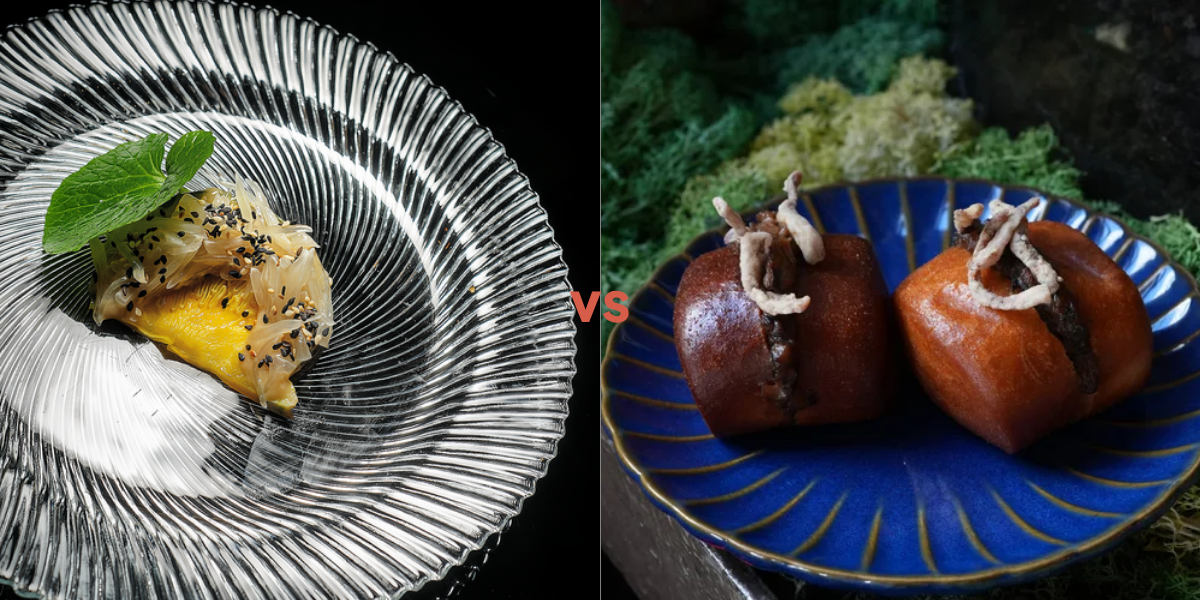
The format of your dining experience directly affects how well your allergen needs are accommodated. For anyone dining with food allergies, understanding the difference between service formats is as important as knowing your triggers.
➥ Multi-Course Degustation Menus
Degustation menus provide the highest level of personalisation. Courses can be adapted or made gluten-free, nut-free or allium-free if allergens are communicated in advance. The kitchen has time to plan, substitute and prepare dedicated components for your place setting.
It's the best-suited option for those with severe or complex allergies and one of the most common reasons why the best plant based restaurant Melbourne options always start with degustation as their first allergen-friendly option.
➥ High-Volume Fixed Menus (e.g., Weekend Shared Service)
High-volume service formats such as shared weekend dining or yum cha-style services operate on fixed recipes and high-throughput preparation schedules. Real-time custom alterations during these services are difficult to execute safely or consistently. For diners with serious allergen concerns, these formats present the highest risk for allergens.
⚠️ Recommendation: Where possible, people with severe allergies should opt for set degustation services rather than fixed, shared-dish services. The personalised structure of a degustation allows for meaningful, pre-planned customisation that a shared-dish service does not provide.
Allergen-Conscious Plant-Based Dining in Melbourne: The SHU Restaurant Standard
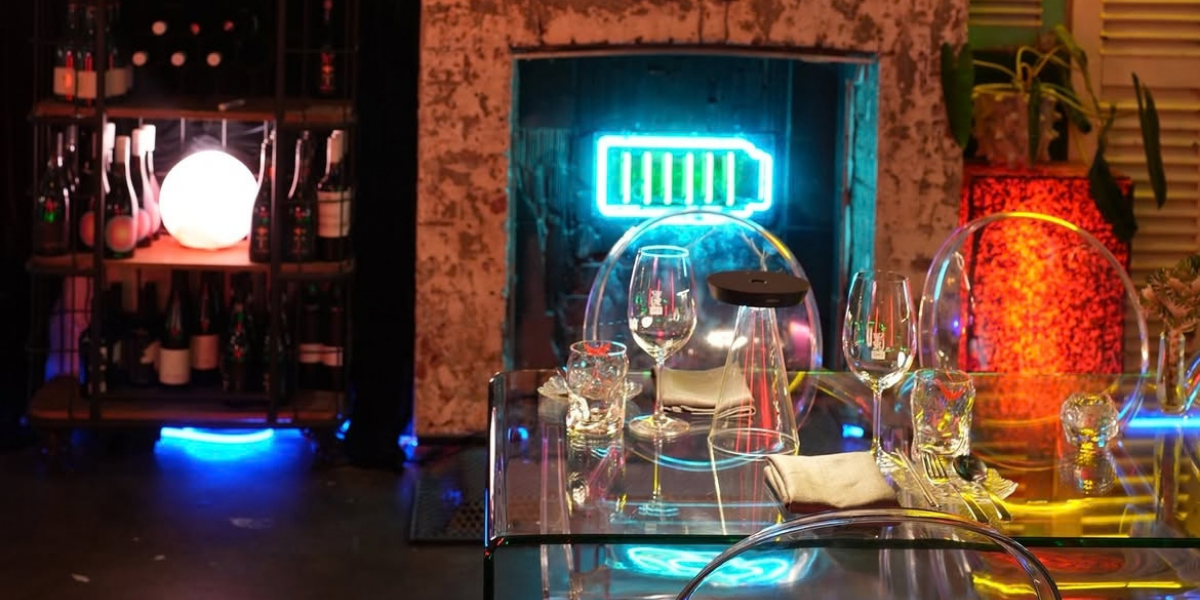
➥ Modern Plant-Based Sichuan Cuisine in Collingwood
SHU Restaurant in Collingwood is a thoughtful and transparent dining experience that caters to those seeking vegan dining Melbourne options with allergen management as a priority. As a plant based restaurant Melbourne diners trust, we are known for our commitment to bold, authentic flavour without shortcuts. We serve modern Sichuan cuisine, without relying on animal-based ingredients, without compromising on safety, clarity or accountability.
For anyone in Melbourne navigating common food allergies in plant-based settings, there is a difference between a restaurant that says it is allergy-friendly and one that actually is.
➥ Proactive Dietary Management at SHU Restaurant
Custom Catering
Gluten-free, nut-free and allium-free meals can be served for degustation menu bookings provided advance notice is given. When guests inform us of their dietary requirements in advance, our team can discuss suitable menu adjustments and advise whether we can accommodate their needs. For anyone dining with food allergies, this structured approach is the operational standard that makes a meaningful difference.
Clear Policy Transparency
We are clear about what we can offer. Our degustation menus may accommodate certain dietary requirements when you communicate with us in advance. Fixed-format services such as yum cha remain non-customisable, a deliberate policy designed to protect diner safety and service consistency. True allergen awareness means this, rather than just saying it is an allergen-friendly vegan restaurant.
Kitchen Standard
For pre-notified dietary requests, we apply dedicated preparation protocols that are specifically designed to minimise cross-contact risks. These are structured procedures, not ad hoc adjustments, and they reflect a genuine, operational commitment to inclusive dining that extends from supplier selection through to plate presentation.
Taste every layer of plant-based Sichuan Cuisine — reserve your table now!
Book NowConclusion
Dining with food allergies at a vegan restaurant is entirely achievable, but it requires more than good intentions on either side. It takes research before your visit, clear communication in advance and specific questions on arrival.
Plant-based cuisines are often loaded with allergen-heavy ingredients, and there is always potential for cross-contamination in any professional kitchen setting. Many of the common food allergies, such as gluten, tree nuts, sesame, soy and legumes, are not necessarily listed in the recipes but are actually key essentials to plant-based cooking.
By choosing a venue that has clear allergen policies, selecting a dining format that allows genuine personalisation and providing advance notice of your requirements, you can reduce risk and significantly improve the quality of your experience.
If you're looking for vegan dining Melbourne trusts for both flavour and allergen accountability, book your personalised degustation at our restaurant and submit your dietary requirements at the time of booking. Our kitchen team is ready to adjust your experience from the very first course.