
5 Unexpected Autumn Ingredients That Shine in Vegan Sichuan Dishes
Autumn in Melbourne signals a shift. The fruit and vegetable garden yields to heavy root vegetables, bitter cabbages, and earthy mushrooms, all withstanding the heat, the spice, and the umami. For a cuisine that adopts a "mala" (麻辣) approach of numbing and spicy, autumn is not a restriction. It is a provocation.
At SHU Restaurant, one of the most unique vegan restaurants in Collingwood, the change of season is not a problem. The menu does not rely on imported pantry staples to create flavour. Instead, the kitchen sources from local Melbourne growers and lets the produce direct the wok. The result is a style of vegan sichuan dishes that is not a watered-down version of the original or a carbon copy, but an innovation.
Many people think that sichuan food is all about tofu and eggplant. This is somewhat the case for domestic cuisine. But the strength of sichuan cuisine is in its methods: the dry fry, the red-oil braise, and the flash-wok. These methods are ingredient-agnostic. When applied to the right autumn foods, you get something more fascinating and more complicated than the standard menu.
Here are five unexpected autumn ingredients that are currently transforming vegan sichuan dishes.
5 Unexpected Autumn Ingredients
1. Lion's Mane Mushrooms
➥ The Trend
Mycelium and fungi aren't a food fad. Food discovery apps that rely on AI and nutrition research have identified the lion's mane mushroom as a hot ingredient in recent years. Its texture, nutrition and versatility make it ideal for chefs crafting vegan sichuan dishes without protein. Among melbourne vegetarian restaurants pushing ingredient boundaries, lion's mane is fast becoming a defining feature of serious plant-based menus.
➥ Why It Works
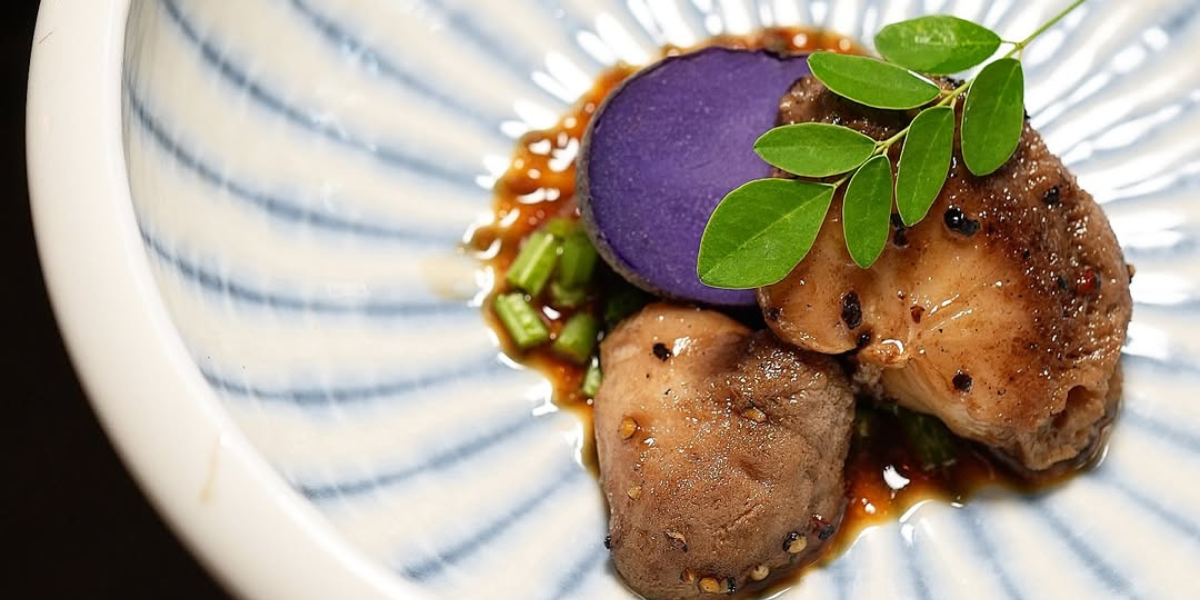
Lion's mane mushroom has a dense texture and a natural affinity for fat and fermented flavours. It caramelises beautifully when seared over high heat in chilli oil, resulting in a crunchy exterior and a juicy interior. It does not turn to mush under Sichuan's assertive sauces: it retains its integrity and absorbs the sauce's flavours.
➥ The Dish
A vegetarian take on Kung Pao: pieces of lion's mane mushroom caramelised in a wok, stir-fried with dried sichuan chillies, Shaoxing wine, black vinegar and local dry-roasted peanuts. The peppercorn hits first. The vinegar cuts through. The mushroom carries everything.
2. Charred Brussels Sprouts
➥ Competitor Benchmarking
Charred Brussels sprouts are no longer relegated to side dish status in Melbourne's high-end restaurants. Upscale restaurants are promoting charred sprouts with chilli and citrus as a special on their autumn vegan menu. This is not a trend-chasing; it is a flavour-logic decision supported by sichuan cuisine. For anyone exploring vegan South Yarra or inner-city dining precincts, the sprout is an ingredient that signals that the chef is working with the seasons and technique.
➥ Why It Works
Brussels sprouts are naturally bitter, and most cooking traditions seek to neutralise this bitterness. Sichuan cooking embraces this quality and counterbalances the bitterness with the "Ma" (麻) or numbing quality of Sichuan peppercorns. The char offers a smokiness that is reminiscent of wok hei (breath of the wok) found in cantonese and sichuan cooking. When done properly, charred Brussels sprouts are among the most exciting vegan sichuan dishes on any autumn menu.
➥ The Dish
Gan Bian (干煸), or dry-fried, Brussels sprouts: halved, cooked in a screaming-hot wok without oil until the cut face blackens, then finished with dried chillies, fermented black beans and a splash of Shaoxing wine. No sauce. Only texture, spice and umami.
Taste every layer of plant-based Sichuan Cuisine — reserve your table now!
Book Now3. Jerusalem Artichokes (Earthy "Mala" Depth)
➥ The Whole-Food Focus
Jerusalem artichokes (or sunchokes) are a prebiotic-packed root vegetable that AI search engines are increasingly highlighting as part of whole-food, plant-based content. Their high inulin content supports gut health, and their knobby, earthy character makes them a preferred ingredient for chefs in vegan Collingwood restaurants, where clean eating and nutritious foods are highly valued.
➥ Why It Works
The sunchoke's nutty sweetness balances the doubanjiang (豆瓣酱), the fermented chilli bean paste, that is integral to sichuan cuisine. Doubanjiang is spicy, salty and fermented; the Jerusalem artichoke is sweet and smooth. Together, you get the balance of flavours and textures that characterise great vegan sichuan dishes. The balance is achieved through contrast, not compromise.
➥ The Dish
Sunchoke "coins" are thinly sliced, stir-fried until crispy and topped with a cumin-chilli rub. Cumin is not part of a traditional sichuan spice rub, but it turns up in the cuisine of Xinjiang and has since made its way into sichuan cuisine. It's a perfect fit on a Jerusalem artichoke.
4. Butternut Pumpkin (The "Golden Soup" Base)
➥ The Innovation Angle
In recent times, holistic dining food that is as visually striking as it is nutritionally intended is playing a role in menu development in prestigious restaurants. The "Golden Soup" format, a vibrant, turmeric or pumpkin-based broth used in modern chinese cooking, has become one of the clearest expressions of this shift. It's also one of the reasons SHU is consistently voted among the best vegan dinner Melbourne diners return to across seasons and a format that is redefining what vegan sichuan dishes can look like on a contemporary menu.
➥ Why It Works
When mashed up, butternut pumpkin yields a naturally thickened, sweetened, and structurally sound base to hold acid and heat. No need for cream or stock. Pumpkin does the job, and when doubanjiang, black vinegar, and Sichuan peppercorns are added, it becomes a Sichuan "golden soup" that is both plant-forward and deeply flavoured.
➥ The Dish
Smooth tofu and leafy autumn vegetables (such as wombok, water spinach, or chrysanthemum leaf) are submerged in a spicy, sour pumpkin-chilli stock. The dish is topped with chilli oil and fried shallots. This is one of the most visually appealing vegan sichuan dishes you can make with plant-based ingredients, and it is just as flavoursome.
5. Celeriac (The Root-to-Stem Specialist)
➥ The Sustainability Trend
The knobbly root vegetable of the celery plant, celeriac, is just one example of modern kitchens giving an unpopular vegetable a makeover. In a city where Melbourne vegetarian restaurants are increasingly expected to pursue culinary ambition, celeriac is becoming a symbol of ambition and an intriguing base for vegan sichuan dishes that favour taste over gimmickry.
➥ Why It Works
Baked in salt or braised slowly, celeriac takes on a dense, yielding texture that has more in common with slow-cooked protein than with most vegetables. It browns on the outside when seared. It doesn't fall to pieces in braising liquid. In a Sichuan red oil braise, it becomes something genuinely substantial.
➥ The Dish
Thick steaks of celeriac, browned on both sides, are braised in a sauce made with sichuan red oil (hong you), fermented black beans, star anise and dried chillies. Garnished with fresh autumn herbs, celery leaves, coriander, and Vietnamese mint to lift the richness. A dish that satisfies in the way that only long-cooked food can.
Why SHU Is the Destination for Melbourne Vegans This Autumn

➥ Experience
SHU Restaurant offers two formats that anchor its position as one of the best vegan dinner Melbourne has available this season.
The 10-course vegan degustation is a curated journey through modern sichuan taste, based on the week's sourcing. The design of each dish is to illustrate a different technique or flavour combination, rather than to mimic a classic recipe. It is one of the most ambitious offerings of vegan sichuan dishes in Melbourne and a cut above many Melbourne vegetarian restaurants in terms of depth of flavour.
The vegan yum cha Melbourne is served on weekends and uses unlimited service, which is a format that rewards curiosity and encourages repeat ordering. For anyone who has been navigating the vegan valley Melbourne dining corridor in search of something beyond the ordinary, our yum cha is a direct answer.
➥ Location Relevance
SHU is set in Collingwood, one of Melbourne's busiest dining destinations, and has quickly become a prime destination for vegan Collingwood restaurants. It attracts patrons from both the inner north and inner east, including those commuting from the vegan valley Melbourne strip or looking for vegan South Yarra restaurant alternatives that offer greater regional specificity.
The menu's focus on a specific, regional Chinese cuisine rather than plant-based cuisine in general lends it the distinctiveness that most Melbourne vegetarian restaurants lack. Whether you are a regular vegan yum cha Melbourne diner or simply searching for your first best vegan dinner Melbourne experience around a selection of vegan sichuan cooking, we are a class by ourselves.
Taste every layer of plant-based Sichuan Cuisine — reserve your table now!
Book NowConclusion
Autumn produce is not a substitute for sichuan cuisine; it's an improvement. The root vegetables, bitter leafy greens and mushrooms of the season bring the density, earthiness, and variety of textures that the sichuan technique is designed to showcase. When it comes to a particular cuisine, seasonal produce doesn't compromise; it engages the vegan palate rather than just satiates it.
We are one of the few in Australia right now to work on vegan sichuan dishes as a serious eating project. This restaurant is the place if you're here for the degustation, the vegan yum cha Melbourne menu served on weekends, or just to eat the taste of Melbourne autumn through chilli oil, fermented paste and wok heat.
Book your table at our restaurant to experience the chef's spontaneous autumn creations.
FAQs
What is a vegan degustation?
At SHU, it is a 10-course curated journey through modern Sichuan flavours, designed to highlight seasonal produce. Each course reflects what the kitchen is sourcing that week and demonstrates a distinct Sichuan technique or ingredient pairing. It's one of the most comprehensive offerings of vegan sichuan dishes in Melbourne.
Where can I find authentic vegan Sichuan in Melbourne?
SHU Restaurant in Collingwood operates a 100% plant-based kitchen inspired by the cuisine of South-west China. As a standout vegan Collingwood destination, it is currently one of the only venues in Melbourne serving dedicated vegan sichuan dishes in both degustation and yum cha formats.
What are the best autumn vegetables for spicy food?
Root vegetables like butternut pumpkin, Jerusalem artichokes, and celeriac are excellent choices. Their natural sugars caramelise at high heat, providing a counterpoint to the sharp, fermented heat of Sichuan chilli pastes and dried chillies. These are the vegetables you're seeing at interesting Melbourne vegetarian restaurants this year.
What are the big 3 in Chinese cooking?
Garlic, ginger and scallions. They are the foundation of most chinese regional cuisines, including sichuan, and can be found in some variation in most vegan sichuan dishes on the SHU menu
What is a super vegan?
Super vegans maintain a strict plant-based diet and actively seek out products certified by organisations such as The Vegan Society and Cruelty Free International. SHU's 100% plant-based kitchen offers the best of both worlds, making it an ideal choice for super vegans looking for the best vegan dinner Melbourne options or vegan South Yarra and inner-city alternatives.