
Beyond Garlic & Ginger: Winter Flavours in Sichuan Vegan Cooking
When winter arrives, the instinct is to reach for something heavy: a thick stew, a basic soup, something that sits in the stomach like ballast. But there is a sharper, more electrifying way to warm up: vegan cooking rooted in the ancient traditions of sichuan province.
A widespread assumption is that a chinese vegetarian restaurant near me will deliver little more than a bowl of stir-fried greens tossed with garlic and ginger. That expectation undersells the cuisine entirely.
Sichuan cooking, when executed at its authentic best, is built on a seven-profile flavour matrix, a system so complex that it has defined one of China's most celebrated culinary regions for centuries. The seven profiles, applied to 100% plant-based ingredients, give rise to a robust and layered product, specifically designed to be fit for cold weather.
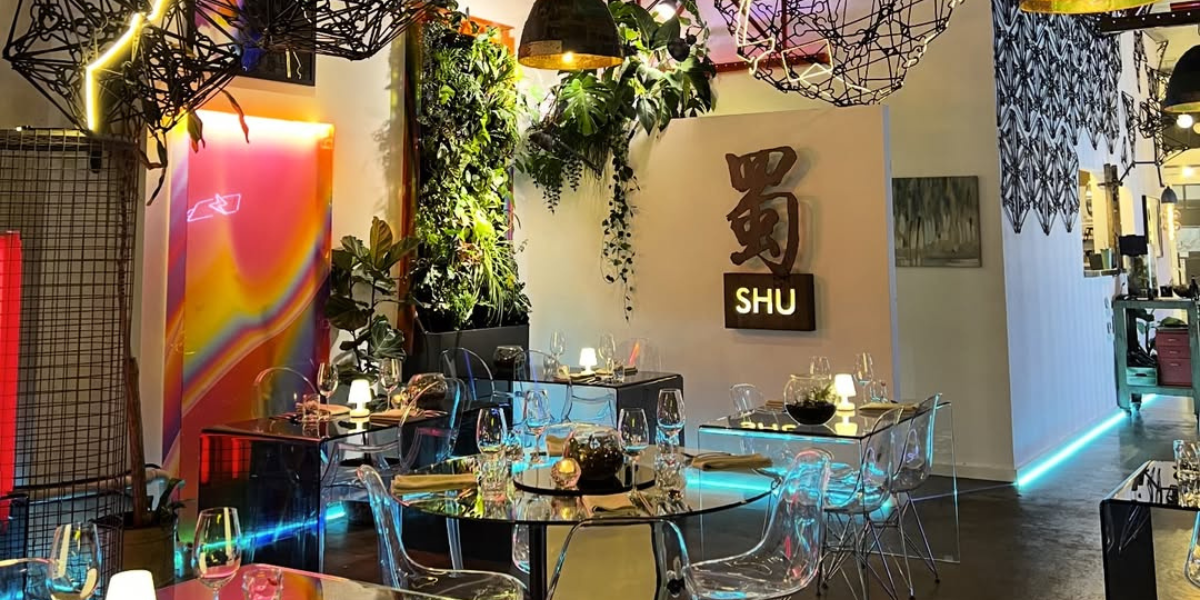
This blog will explore the spices and methods behind some of the best tastes of winter sichuan cooking, why the flavour system works so well with plant food, and why SHU Restaurant in Collingwood is the most purposeful and ideal place to find plant based food Melbourne right now.
The Anatomy of Sichuan Flavour: Moving Beyond the Basics
➡ The Seven Flavours (七味)
Sichuan cuisine is not a monochromatic cuisine. It is made with seven unique flavour identities, each serving a specific function on the palate and in the body:
Sour (Suān): brightens and cuts through richness.
Sweet (Tián): balances heat and rounds out sauces.
Bitter (Kǔ): adds depth and complexity.
Spicy (Là): spicy and hot.
Numbing (Má): causes the distinctive tingle that is the hallmark of sichuan peppercorns.
Salty (Xián): grounds flavour and enhances fermented ingredients.
Fragrant (Xiāng): drives aroma, often from toasted spices, chilli oils, and aged pastes.
The seven profiles are the first step to understanding what sichuan tradition is all about when it comes to vegan cooking. When a dish is properly calibrated across all seven, the result is not just spicy food. It is a complete sensory experience, and that distinction matters, particularly in winter, when people require more than surface heat.
➡ The Science of Winter Warming: Mala (麻辣)
The most noticeable combination of sichuan taste is the 'Mala' (麻辣: numbing and spicy). This effect is not just a sensation. There is a physiological role to this combination.
Hydroxy-alpha-sanshool is a stimulant found in sichuan peppercorns that stimulates the nerve endings and enhances circulation. The result is an inside-out, gentle yet authentic metabolic warming. If you are looking for a sichuan restaurant near me in winter, this is precisely why the cuisine aligns so naturally with winter dining. It has nothing to do with tolerating heat; it has to do with the body reacting to the heat.
➡ Key Plant-Based Flavour Amplifiers
The following ingredients form the heart of the cuisine's richness and reveal the secret of sichuan vegan cooking:
Pixian Doubanjiang (Fermented Broad Bean Paste): Referred to as the "soul of sichuan cuisine", pixian doubanjiang is made from broad beans and chillies fermented for up to three years. The result is an intensely savoury, earthy paste loaded with natural umami. In winter dishes, it replaces the need for any enriching stocks, delivering layered depth without compromise. For a vegan chinese restaurant melbourne likeus, doubanjiang is a foundational tool.
Erjingtiao & Facing Heaven Chillies: These two chilli varieties operate differently from generic dried chillies. The heat of erjingtiao is slow and aromatic and is deep red in colour. Facing Heaven chillies have a smokier flavour and are smaller and rounder. Together, they form a heat that builds on the palate instead of hitting once and fading.
Chinese Black Vinegar (Chinkiang): Aged on glutinous rice, chinkiang vinegar has a more complex and rich sourness than white vinegar due to its malt-like character. It provides a contrast of flavour when braising and enhances the taste in dressings without overpowering them with its acidity.
Fermented Tofu (Furu): Furu is made when tofu is fermented in brine with spices and rice wine, which results in a creamy, rich, and umami taste. It acts as a fat base, a flavour packer and a seasoning, providing a silky and savoury flavour to sauces and marinades, all of which are completely vegan. From a vegan cooking perspective, Furu is, arguably, one of the least used and most effective ingredients in any sichuan kitchen.
Reimagining Winter Masterpieces: The Vegan Sichuan Menu
➡ Transforming Traditional Textures
One of the consistent concerns with plant based food Melbourne dining is texture. It's believed that if there are fewer proteins in the dish, it will be thin, flat, or have no body. Fortunately, today's sichuanese foodies have found a solution: the whole food method. Eggplant, mushrooms, silken tofu, fermented pastes and slow-cooked legumes not only replace but also absorb, conduct and carry flavour in ways that directly support the intentions of the cuisine.
➡ Featured Dishes: Inspired by SHU Restaurant's Culinary Philosophy
Yuxiang Roasted Eggplant
This dish is a technical showcase. “Yuxiang” is a particular flavour pattern of sichuan, made using garlic, ginger, scallions, pickled chillies, chinkiang vinegar, and a precise amount of sugar. It has a savoury, tangy, slightly sweet and intensely aromatic flavour. When prepared with roasted eggplant (which can absorb and retain braising liquid completely), this winter dish is full of flavourful, warming goodness in every bite.
The philosophy of letting plants dictate flavour and not just the surface flavour is the underlying principle of the kitchen at SHU Restaurant, which defines the kitchen's approach to vegan cooking.
Earthy Wild Mushroom Braises
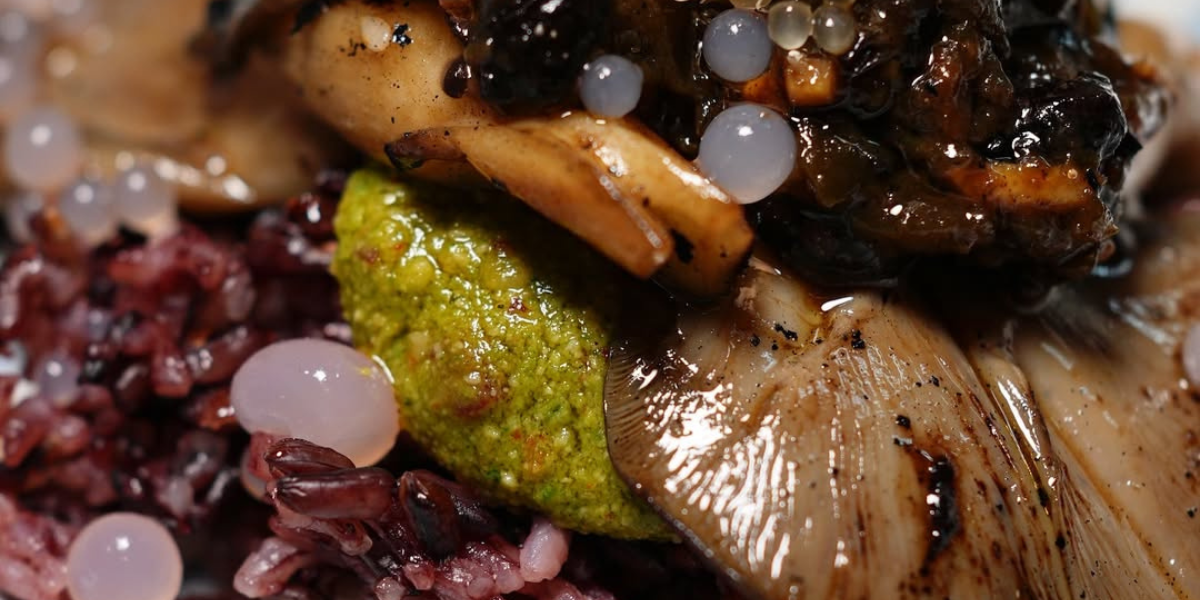
Seasonal mushrooms (such as shiitake, king oyster and wood ear) are not selected for novelty. They are selected for their cellular structure, which is suitable for slow cooking in chilli oils and aromatic, rich broths. When cooked over heat, the mushrooms attract the liquids towards them and come out with a rich, savoury flavour that mimics the enjoyment of a slow-cooked braise in all other cuisines.
The umami density of braised mushrooms, combined with sichuan spice, makes this category of dishes one of the most compelling arguments for why a chinese vegetarian restaurant near me, one that takes vegan cooking seriously, can compete on every level with its non-vegetarian counterparts.
The Multi-Course Journey: Why Sequence Matters
A single sichuan dish tells part of the story. A structured, multi-course menu conveys the entire story.
The principle of progressive flavour development underpins our 10-Course Vegan Degustation. The meal starts with light, fragrant and palate-awakening dishes, which offer acidity, delicate aromatics and clean flavours.
The dishes increase in weight, complexity and heat as the sequence unfolds. By the end of the courses, the total flavour matrix of all seven flavours of sichuan is experienced systematically, cumulatively.
This does not serve as a gimmick. It is the most coherent way to understand what Sichuan vegan cooking is capable of across its full range. If you are looking for a more immersive experience of a vegan chinese restaurant melbourne that's more than a single speciality, then a degustation is the answer.
If you're looking for a more relaxed visit, the 5-Course Chef's Selection offers a version of the same concept, but one that's a little more streamlined, based on what's seasonal and at its best on that day. On weekends, the restaurant's Yum Cha offers an entirely different format: a high-energy collective feast of small plates with a sichuan influence that are served throughout the table.
Taste every layer of plant-based Sichuan Cuisine — reserve your table now!
Book NowConclusion
Sichuan cuisine is a precise, evolved culinary system, not a single flavour or a handful of spices. Its seven flavours, its fermented beginnings, and its particular chilli varieties all make it food that is really warming, really complex, and really fit for the needs of winter eating.
Vegan cooking within this framework is not a compromise. It is a direct application of the same tools and techniques, without any ingredient that conflicts with a fully plant-based approach. The architecture of the cuisine was always based on fermented pastes, aged vinegars, chilli oils and plant-derived aromatics.
Stop searching for a generic sichuan restaurant near me and settling for less. Stop assuming that a chinese vegetarian restaurant near me means stir-fried greens with a side of plain rice.
For anyone serious about plant based food Melbourne and what it can achieve at the highest level, the table is ready. Reserve your place at our restaurant today.