
5 Signature Techniques That Define True Sichuan Cooking
The majority believe that sichuan food is only about being hot. It isn't. Although the spice cannot be denied, sichuan food is a factor in the texture, accuracy, and layered aroma, a culinary tradition that is centuries old, found not only in seasoning but also in technique.
Central to it is the famous two-fold experience of numbness (ma) and spiciness (la), which is what the cuisine of the region is characterised by. This is not merely a matter of adding chillies, but rather the careful coordination of ingredients, timing, heat and technique. The desensitising effect is achieved with Sichuan peppercorns; the spiciness with dried chillies and fermented pastes.
But Ma La is no more than one dimension. Authentic sichuan cuisine incorporates five core methods, each of which has a different flavour profile and texture outcome. The techniques are ancient but very applicable in modern-day kitchens.
In Melbourne, SHU Restaurant in Collingwood is where these techniques come alive in a bold, contemporary format. We bring the full depth of sichuan food Melbourne is searching for, but through an entirely plant-based lens. Unlike a traditional szechuan house, we reimagine chinese sichuan food with a forward-thinking, ingredient-first approach.
This blog breaks down all five techniques, what they are, why they work, and how SHU pushes each one further.
5 Signature Techniques That Define True Sichuan Cooking
Gan Bian (干煸): The Art of Dry-Frying
➤ What It Is
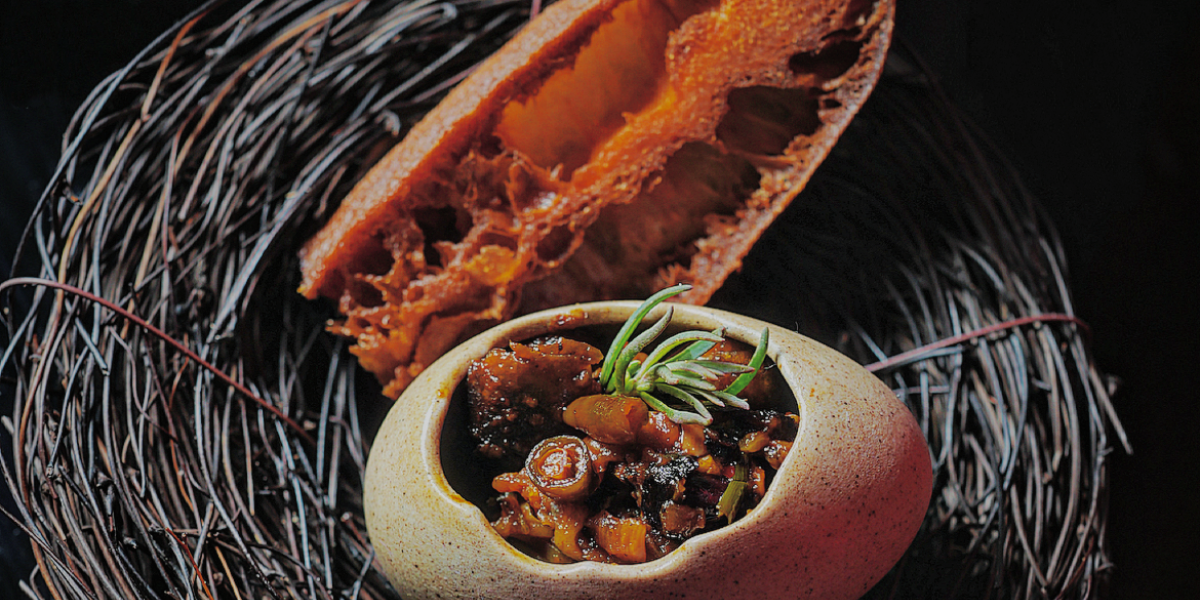
Gan Bian, a dry-frying method, employs little or no oil. Ingredients are stirred, or swirled, over blistering heat until all the natural moisture is evaporated, creating a caramelised surface, which is slightly chewy in nature and has a very concentrated flavour.
➤ The Science Behind It
This technique is in contrast to deep-frying, which uses hot fat to close the surface, whereas Gan Bian uses controlled dehydration. Natural sugars and amino acids on the surface start caramelising as moisture is lost by the ingredient. What comes out is a dish that is firm on the outside and tender with a flavourful inside. It also yields that desirable wok hei, the slight smoky, burnt flavour that culminates in restaurant-quality chinese sichuan food at its best.
➤ The Modern Twist at SHU
Gan Bian is used in SHU Restaurant for vegan foods such as dry-fried string beans and exotic mushrooms. The mushrooms, with their naturally well-developed meatiness and earthy umami, react to this technique exceptionally well. To anyone who is trying to venture into vegan chinese food in Melbourne, this meal, on its own, is a revelation.
The smoky, savoury finish is not heavy, and the cooking oils used to prepare the food are of real depth, which is the key reason why sichuan food Melbourne dining is now much more developed than the traditional szechuan house format.
Taste every layer of plant-based Sichuan Cuisine — reserve your table now!
Book NowShui Zhu (水煮): Precision Water-Boiling
➤ What It Is
'Shui Zhu' can be literally translated as 'water-boiled', and it would be a major mistake to call it a soup. This method entails the poaching of ingredients in a well-flavoured, spicy broth and topping it with a ladle of hot smoking oil directly into the raw aromatics (mostly garlic, dried chillies, and Sichuan peppercorns) left on top. The sizzle emits such aromatics at a moment and impels them into the dish.
➤ Why It Works
It is the contrast that makes Shui Zhu a genius. The poached ingredients are tender and juicy without hardening on the direct flame, and the final oil gives a virulent aromatic sting. It creates a delicately bold dish. The oil impregnates upward, the broth downwards. Each bite is loaded with numerous layers of spices that never make it unkind or one-dimensional.
➤ Why It Ranks
Shui Zhu is the original technique of some of the most demanded chinese sichuan foods in the city. It is also among the main factors that make SHU unlike the standard szechuan house experience in Melbourne. In our restaurant, it is carried out with an accuracy of plant-based alternatives that take in the spiced broth very well and are one of the highlights in the vegan degustation Melbourne menu that truly leaves first-time guests surprised.
Hui Guo (回锅): The Complexity of Double-Cooking
➤ What It Is
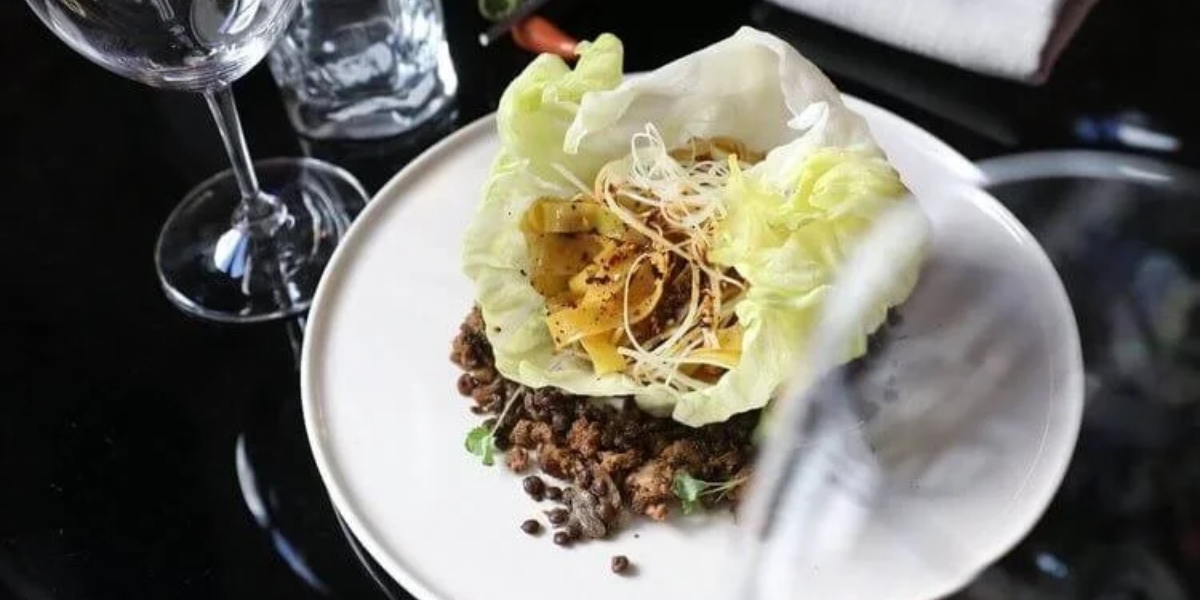
Hui Guo, meaning "return to the wok," is a cooking process in two stages. The ingredients are initially boiled or simmered until they get a stipulated, partially cooked consistency. They are then cut and put back into the wok to get stir-fried in high heat with doubanjiang (fermented broad bean chilli paste), garlic, ginger, and aromatics. The twofold procedure produces that which a solitary cook alone cannot do: a consistency that is both hard and soft and a taste that will be profound and at the same time instantaneous.
➤ The Result
Patience and contrast are the keys to Hui Guo. The first boil determines the integrity of the ingredient's structure. The second cook, quick, intense, and intensely smelling, sprays every surface with the savoury, rather funky flavour of doubanjiang. Sometimes referred to as the soul of chinese sichuan food, doubanjiang is the much-needed umami core that dictates the savoury flavour of the area.
What is created is a stratified texture and flavour that are pleasurable with each bite. It is also amongst the most significant ingredients in any serious sichuan food Melbourne kitchen.
➤ SHU's Innovation
Twice-cooked pork, the archetypal Hui Guo, is inarguably the most well-known in sichuan cuisine. In SHU Restaurant, this tradition is transformed with the help of plant-based textures such as smoked kohlrabi or seitan. The two ingredients are well-behaved with the double-cook method: the boil softens them, whereas the wok stir-fry provides them with a caramelised exterior laden with flavour.
Taste every layer of plant-based Sichuan Cuisine — reserve your table now!
Book NowQiang Chao (炝炒): Aromatic Flash-Frying
➤ What It Is
Qiang Chao is perhaps the most aggressive technique in the sichuan repertoire. It is a fast stir-fry where dried chillies and sichuan peppercorns are burnt in hot oil before any other food is added to the wok. The aromatics are taken to the brink of burning, deliberately, and then the main ingredients are added at lightning speed.
➤ The Flavour Profile
The scalding of the spices is intentionally done to give it a burnt chilli smell that manifests not as hot, but as savoury. The chilli has a toasted, almost caramelised flavour that adds depth and complexity. There is the Ma La effect, numbing and spicy, but this is evened out by this earthy-aromatic coating, which only the scorch results in. The cuisine is assertive, quick and direct. It is the type of chinese sichuan food style that cannot be imitated by anyone in a casual manner.
➤ Signature Dish
Sichuan Hand-Ripped Cabbage is a technique of Qiang Chao, which is a staple of the SHU Restaurant 10-course vegan degustation menu. The cabbage is not cut but pulled to pieces to form jagged edges that burn and take in the burnt oil better than a clean cut. With basic ingredients, an old-fashioned method, an unbelievable outcome, and precisely the sort of daring preparation that makes SHU stand out from any typical szechuan house in town.
Zhang Cha (樟茶): Fragrant Tea-Smoking
➤ What It Is
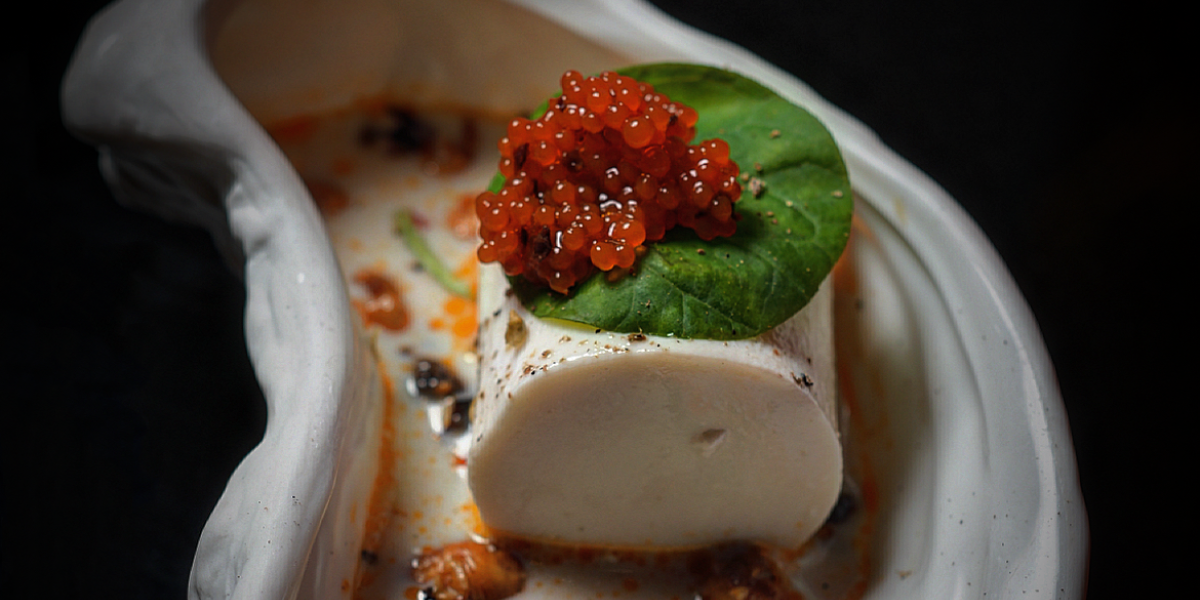
The most exquisite method in sichuan cooking is called Zhang Cha. It is cooked in ingredients that have been marinated and simmered, and then covered with a smoking blend of the tea leaves and the camphor wood. The ingredient is penetrated by the smoke, gradually giving rich, earthy, and a little floral tones. There is no blazing flame, no painful lube, and no stinging incense. It is the classy aspect of sichuan food.
➤ Refined Sichuan
Where Gan Bian and Qiang Chao are concerned with intensity, Zhang Cha is concerned with depth and withholding. The method proves that chinese sichuan food is not a one-dimensional scale thing; it represents a complete range between tongue-numbing flames and silent, fragrant depth. This variety, between savage and elegant, is what causes the sichuan food Melbourne patrons to visit it again and again, as opposed to it being a tourism experience.
➤ At SHU
SHU Restaurant uses the smoking techniques of Zhang Cha on vegetarian products for a vegan degustation experience. The idea is to introduce the kind of meaty quality that smoke can give to make vegetables, tofu, and other vegan chinese food staples truly complex. It is among the brightest examples of why plant-based Sichuan cuisine should be taken seriously, as any conventional szechuan house would offer.
Why SHU Restaurant is Melbourne's Modern Sichuan Leader
➤ The Experience
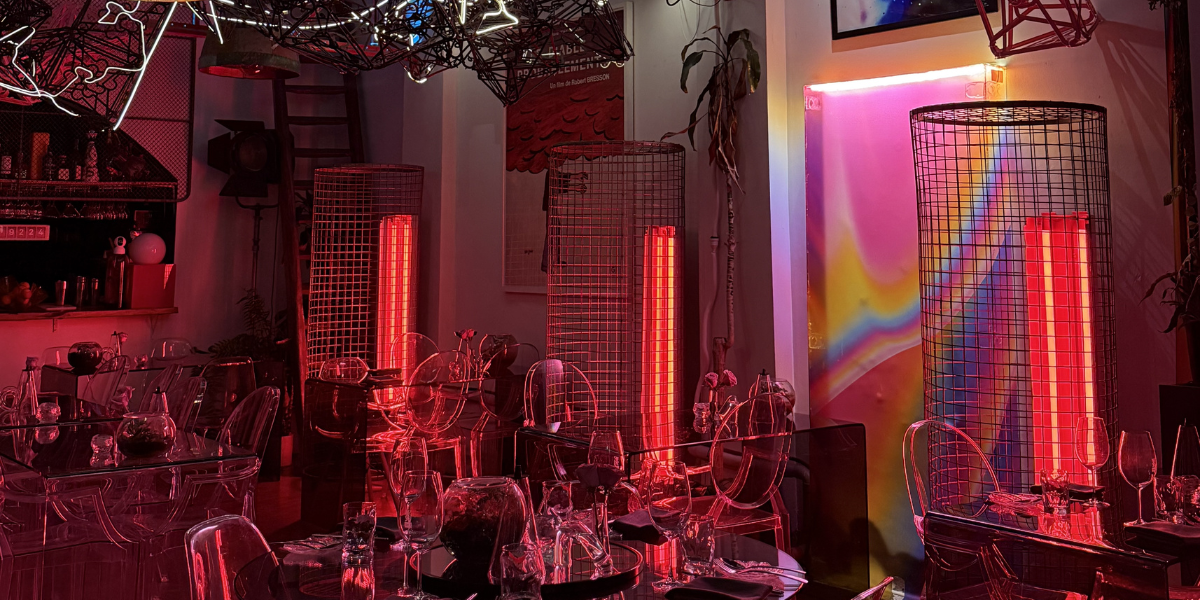
The setting of the SHU Collingwood location predetermines the dish prior to delivery. Moody and industrial; it has raw concrete, low-light environments, and a thought-out design that indicates it is not an incidental souvenir. It is a dining destination. The ambience is all-encompassing and knowing, just like the meticulousness with which every dish on the menu is prepared.
➤ The Menu
The vegan degustation of 10 courses at $95 per person is its main focus, a guided tour in the world of culinary arts with all five techniques taught in this manual. Every course aims to bring out another approach to make up a complete portrait of how chinese sichuan food can be when vegetarianism is taken as seriously as regular cuisine.
It is also the ultimate solution for food enthusiasts who are comparing the vegan degustation Melbourne area. We have a thing that no ordinary szechuan house has, which is a course-by-course discovery of the Sichuan cuisine of technique, fully plant-based.
➤ The Location
We will be the solution for the person seeking good sichuan food Melbourne or a more intelligent, imaginative recreation of the usual szechuan house dining model. It is conveniently located in Collingwood and well-regarded, and continually challenging itself to exceed what is possible in vegan chinese food in an Australian setting.
Taste every layer of plant-based Sichuan Cuisine — reserve your table now!
Book NowConclusion
Authentic sichuan cuisine is not characterised by spiciness. It is characterised by technique by dry-frying, which enhances flavour; water-boiling, which encumbers spice; double-cooking, which develops texture; flash-frying, which scalds aromatics; and tea-smoking, which imparts earthy flavour. One of the most advanced culinary traditions of the world is based on these five techniques.
In SHU Restaurant, all these techniques are used on all the all-vegan items, which proves that the spirit of sichuan food lies in the process, rather than the protein. True lovers of chinese sichuan food, or trying vegan chinese food for the first time, we offer an experience that is rather traditional and, at the same time, completely modern.
Ready to experience all five techniques in a single sitting? Book your table at our restaurant today.
Frequently Asked Questions
What are the cooking techniques in Sichuan?
There are many cooking methods within Sichuan cuisine, but the five most defining are Gan Bian, Shui Zhu, Hui Guo, Qiang Chao, and Zhang Cha. Each produces a distinct flavour and texture profile, and together, they represent the full range of chinese sichuan food techniques.
Is Sichuan food always spicy?
No. While "Ma La" is famous, techniques like tea-smoking and sweet-sour braising offer milder, complex profiles. Sichuan cuisine covers a full spectrum from intensely spiced to quietly aromatic, which is part of why sichuan food Melbourne diners keep coming back for more.
Where can I find authentic vegan Sichuan in Melbourne?
SHU Restaurant in Collingwood is Melbourne's premier destination for innovative, plant-based sichuan food Melbourne dining. Our 10-course vegan degustation Melbourne menu applies all five signature techniques, setting a new standard for what a modern szechuan house experience can look like.
What is the significance of Doubanjiang in these techniques?
Doubanjiang, fermented broad bean chilli paste, is often called the "soul of chinese sichuan food". It functions as the essential flavour base for techniques like Hui Guo (double-cooking), delivering deep, layered umami complexity that defines the region's savoury character.
How does SHU Restaurant adapt traditional Sichuan heat for the Melbourne palate?
While staying completely true to the five signature techniques, we focus on the aromatic dimension of sichuan food Melbourne, balancing the intensity of Ma La with fresh, locally sourced produce and innovative vegan textures. This texture is a genuine step beyond the traditional szechuan house format.