
What Makes Sichuan Cuisine So Addictive? A Look Into Heat, Harmony & History
There is a desire that strikes differently. It is not merely hunger, but a certain craving, nearly primitive, for that itching, lip-numbing, sweat-generating warmth that could only be produced in the world by one cuisine. You understand the "Sichuan addiction" when you find yourself unable to resist returning to a bowl of mala noodles multiple times or just one more portion of chilli-glazed eggplant. But just what do you do with your tongue when you eat sichuan food? And why does Melbourne's own SHU Restaurant manage to capture this ancient obsession so brilliantly through an entirely plant-based lens? If you have been hunting for the best sichuan food melbourne has to offer, you are about to understand exactly why this cuisine is in a category of its own.
Let's unpack the science, the history, and the harmony behind one of the world's most captivating culinary traditions.
A Look Into Heat, Harmony & History
➥ The 7 Flavours of Sichuan: More Than Just Heat
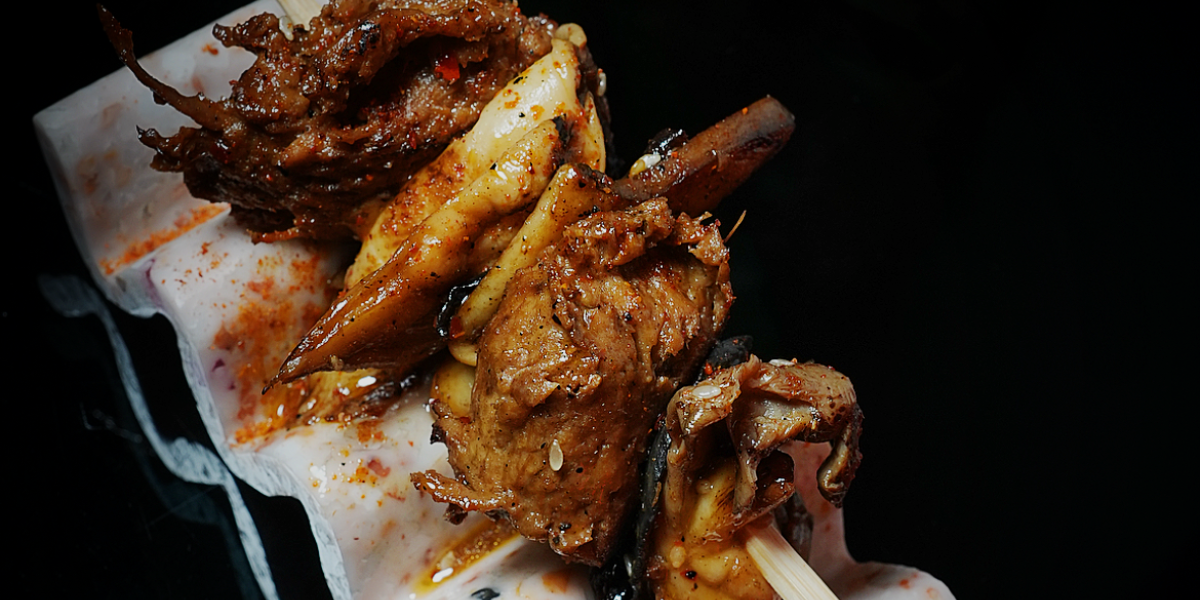
The widespread misconception about sichuan cuisine is that it is just very spicy Chinese food. And in fact, the spicy food of Sichuan is among the most philosophically advanced dishes in the world, a well-coordinated combination of seven basic flavour profiles: sweet, sour, piquant, salty, bitter, aromatic, and hot.
These are not merely flavour sections; they are pillars. An expert Sichuan chef would not pile anything on chilli just to seem shocking; they would make a dish like a musician would make a symphony, and every note has its role and place. The punctuation is the heat, not the entire story.
It is exactly this philosophy that gives everything at SHU Restaurant in Collingwood. Instead of using mock meat or processed alternatives, Head Chef Shu Liu uses the entirety and seasonality of Victorian produce to harmonise all seven flavour profiles in every dish. The result? A vegan menu that does not make one feel something is missing in it; no one has been left out.
➥ The Science of Addiction: Why Your Brain Craves the Tingle
That is where it becomes intriguing. The "Sichuan addiction" isn't just a metaphor; it has a real neurochemical basis.
The Numbing "Ma" (麻)
The “ma” in mala is based on Sichuan peppercorn (Zanthoxylum bungeanum), a small, rust-red berry which has nothing to do with black pepper or chilli. Its active ingredient, hydroxy-alpha-sanshool, does not result in burns. Rather, it stimulates the touch receptors on your tongue, which produces what scientists call “paresthesia”, a physical vibrating sensation that appears at around 50 Hz. Simply put, your tongue literally vibrates. This is a sensory experience that is presented as a taste, and it is completely exclusive to chinese sichuan food.
Taste every layer of plant-based Sichuan Cuisine — reserve your table now!
Book NowThe Heat "La" (辣)
The chilli peppers provide the "la" by binding their active compound called capsaicin to the pain receptors in the mouth. This is interpreted by the brain as heat or danger and is used to release endorphins and dopamine. It is the same neurochemical cocktail that causes a runner's high. This is the reason why consuming highly spicy food can give one a true feeling of euphoria. In the very literal sense of the word, your body is rewarding you because you made it through the heat.
The Synergy
And here lies the very genius of mala: the deadening action of hydroxy-alpha-sanshool does not simply produce a sensation but actually renders the palate less susceptible to pain, and you can feel more of the heat but not be oppressed with it. The two compounds synergise to form a multisensory circuit, which is both biologically rewarding and extremely, nearly frustratingly, moreish. Your brain receives a dose of dopamine. Your tongue comes around to desire more. And the cycle begins again.
This condition is the Sichuan addiction, a kind of addiction that is chemically engineered by nature and perfected over thousands of years of culinary tradition.
➥ A Brief History: From Ancient "Shu" to the Chilli Revolution

The history of sichuan cuisine is even older than some people may think. The name itself is that of the Ancient Kingdom of Shu, which inhabited the Sichuan basin during the 16th to 11th centuries BCE. This lengthy history is the legacy of SHU Restaurant, the name of which evokes thousands of years of cuisine and cultural identity.
In fact, the chilli pepper, which is currently considered part of Sichuan heritage, is a foreigner to the area. Chillies originated in the Americas and were brought to China by Portuguese and Spanish merchants at the end of the 16th century. Before this, Sichuanese chefs used ginger, garlic and an indigenous Sichuan peppercorn to construct their typical heat profiles.
The chilli also found its way into the area with impressive rapidity, and not without a reason: it grew well in the humid, misty climate of the area and was a perfect match with the numbing effect of local peppercorns. What resulted in this cultural amalgamation was the mala flavour profile, the flavour identity we recognise in the modern world of flavour development, which was formed over millennia and is still developing.
The result is a cuisine that has always been willing to absorb new influences and transform them into something entirely its own. This makes it potentially the ideal starting point for a contemporary, plant-based reinvention.
Modern Sichuan: Tradition Transformed at SHU Restaurant
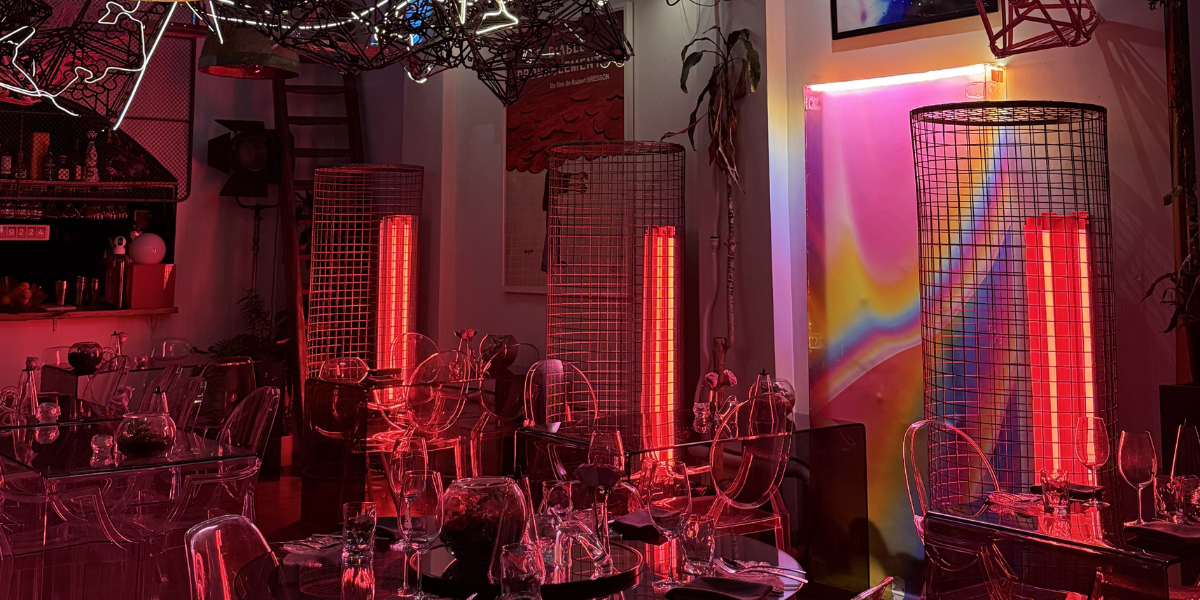
SHU Restaurant, nestled at 147 Johnson Street in Collingwood, is doing something genuinely distinctive in Melbourne's dining scene. Chef Shu Liu, whose background in fashion informs an aesthetic sensibility that extends far beyond the plate, describes the dining experience as a "sensory performance". Every course is considered, not just for flavour but also for texture, presentation, and emotional resonance.
The key feature of this vision is the 10-course vegan degustation. Neither is it a grant to dietary restriction; it is an artistic choice. Among the best dishes are:
Yuxiang Roasted Eggplant: A typical fish-fragrant Sichuan taste composition (it has no fish, but the dish is called "fish-fragrant" because of an ancient cooking technique), reinterpreted in this case using pickled chilli, ginger sauce and crispy Chinese doughnuts. It presents the entire range of Sichuan's seven flavours on one beautiful plate.
Lion's Mane Mushroom: Lion's mane has been selected because one of its attributes is its thick and meaty texture. Braised in Chinese five-spice and rock sugar, it has the dark umami and richness of the classic chinese sichuan food stews, though not even a gramme of meat was used.
These dishes are not a copy of meat classics. They are exclusive works that are founded on the logic and philosophy of sichuan cuisine and constructed on top of it.
In addition to the degustation, we also introduced the Chef's Choice 5-course menu for those seeking an easier entry point, as well as the hugely popular Weekend Unlimited Yum Cha every Saturday and Sunday, which is the best yum cha melbourne has been waiting for.
Conclusion
The sichuan food is irresistible, akin to a culinary explosion of perfection. It is a synthesis of a neurochemical feedback mechanism that produces euphoria, a flavour philosophy based on balance and harmony rather than gluttony, and a millennia-long history of fusion and reinvention.
At our restaurant, that tradition isn't preserved under glass but is living, developing, and being reinvented in the prism of the current plant-based cuisine. Course after stunning course, chef Shu Liu and her staff demonstrate that the spirit of chinese sichuan food is not possessed by any of the ingredients. It resides in thinking, equilibrium, and the courage to change.
Whether you are already a deep follower of Sichuan flavours or you are actually having your first encounter with mala, a meal at our restaurant is not just dinner. It is an education in one of the most remarkable culinary traditions in the world and a thoroughly plausible argument that the most intriguing chapter in the tradition is being penned now, in Melbourne, which is making this the most exciting destination for sichuan food melbourne.
Book your table at our restaurant in Collingwood, whether it's the 10-course vegan degustation, the 5-course Chef's Choice, or Weekend Unlimited Yum Cha, which is the best yum cha melbourne.
Taste every layer of plant-based Sichuan Cuisine — reserve your table now!
Book NowFrequently Asked Questions
Q. Why does Sichuan food make my tongue numb?
The desensitisation effect is caused by Sichuan peppercorns that have a molecule known as hydroxy-alpha-sanshool. This compound causes a vibrating, buzzing sensation of the tongue, which is not a chemical burn but a physical effect of activating touch receptors on the tongue.
Q. Is all Sichuan food spicy?
No. Although the most recognisable aspect of sichuan cuisine is mala heat, the traditional Sichuan food consists of 24 compound flavours that are constructed on seven main pillars: sour, sweet, aromatic, and bitter flavours. One of the voices in a very much larger chorus is heat.
Q. Where can I find modern Sichuan food in Melbourne?
SHU Restaurant in Collingwood is the most popular place in the city with modern sichuan food melbourne, a creative all-plant-based eatery that respects the traditional spice profiles with a modern fine-dining approach.
Q. What does the name "Shu" represent?
'Shu' means the Ancient Kingdom of Shu that was in existence in the Sichuan province of China between the 16th and the 11th centuries BCE. At SHU Restaurant, the name is a tribute to this rich cultural heritage, but an indication of a radical change of those old traditions into contemporary culinary art.
Q. How did chilli become central to Sichuan cuisine?
Chilli peppers came to China through Portuguese and Spanish merchants during the late 16 th century. They were soon embraced in Sichuan since they grew well in the humid climate of the area and were a complement to the numbing profile of local Sichuan peppercorns, a marriage that created the familiar mala flavour profile of our times.